What Is Embroidery Digitizing?
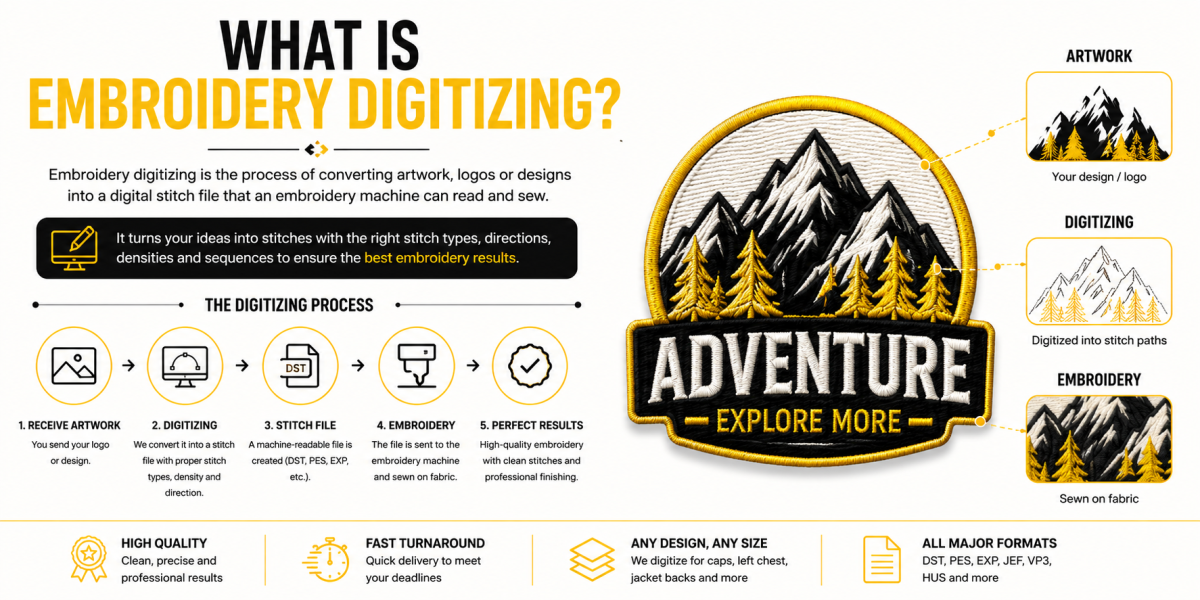
March 31, 2026Embroidery digitizing is the process of converting artwork, logos, or designs into a digital embroidery file that an embroidery machine can read and sew. Instead of stitching directly from an image, embroidery machines require a specialized stitch file that contains instructions for stitch types, stitch directions, densities, underlay, and sewing sequence.
In simple terms, embroidery digitizing transforms a graphic design into a machine-readable embroidery format, allowing embroidery machines to produce clean, accurate, and professional-looking embroidered products.
How Does Embroidery Digitizing Work?
The embroidery digitizing process begins with a logo, artwork, or image. A digitizer manually recreates the design using embroidery software by assigning specific stitch types and settings to different elements of the design.
The process typically includes:
- Receiving the artwork or logo.
- Analyzing design details and embroidery requirements.
- Assigning stitch types and directions.
- Setting stitch density and underlay.
- Creating a machine-readable embroidery file.
- Testing and optimizing the design.
- Delivering the final embroidery file.
The finished file can then be used on embroidery machines to produce high-quality embroidered products.
Why Is Embroidery Digitizing Important?
mbroidery digitizing is essential because embroidery machines cannot interpret regular image files such as JPG, PNG, AI, or PDF files.
A professionally digitized file ensures:
- Clean and accurate stitching
- Reduced thread breaks
- Better fabric coverage
- Improved production efficiency
- Consistent embroidery quality
- Professional finished appearance
Poor digitizing often leads to gaps, puckering, thread breaks, and distorted embroidery results.
Common Embroidery File Formats
Professional embroidery digitizing services typically provide files in multiple machine formats, including:
- DST
- PES
- EXP
- JEF
- VP3
- HUS
- XXX
The required format depends on the embroidery machine being used.
Types of Embroidery Digitizing
Logo Digitizing
Logo digitizing converts business logos into embroidery files suitable for uniforms, workwear, promotional apparel, and corporate branding.
Cap Digitizing
Cap digitizing is specifically optimized for embroidery on hats and caps. It requires specialized stitch sequencing and compensation to achieve clean results on curved surfaces.
Left Chest Digitizing
Left chest logos are among the most common embroidery applications and require precise stitch control due to their smaller size.
Jacket Back Digitizing
Large embroidery designs for jackets require advanced digitizing techniques to maintain detail and prevent production issues.
Patch Digitizing
Patch digitizing is used for creating embroidered patches with clean borders and high stitch quality.
What Makes a High-Quality Digitized File?
A high-quality embroidery digitized file includes:
- Proper underlay stitching
- Correct stitch density
- Appropriate pull compensation
- Clean stitch paths
- Minimal trims and jumps
- Efficient production sequencing
- Fabric-specific optimization
These factors help ensure smooth machine operation and superior embroidery results.
Benefits of Professional Embroidery Digitizing
Working with a professional embroidery digitizing service offers several advantages:
Better Stitch Quality
Experienced digitizers understand how stitches behave on different fabrics and adjust settings accordingly.
Faster Production
Well-digitized files run smoothly on embroidery machines with fewer interruptions.
Reduced Material Waste
Proper digitizing minimizes thread breaks, needle breaks, and production errors.
Consistent Results
Professional files produce reliable embroidery quality across multiple garments and production runs.
Who Needs Embroidery Digitizing Services?
Embroidery digitizing services are commonly used by:
- Embroidery shops
- Apparel decorators
- Promotional product companies
- Uniform suppliers
- Corporate branding agencies
- Sports teams
- Clothing brands
- Custom merchandise businesses
Anyone producing embroidered products needs professionally digitized embroidery files.
How Much Does Embroidery Digitizing Cost?
Embroidery digitizing costs vary depending on design complexity, stitch count, and size. Typical pricing includes:
- Cap Logos: $10
- Left Chest Logos: $12
- Jacket Back Designs: $25+
Complex designs may require custom pricing based on detail and production requirements.
Conclusion
Understanding what embroidery digitizing is helps businesses and embroidery professionals achieve better embroidery results. Embroidery digitizing is the foundation of quality embroidery, converting artwork into machine-readable stitch files that ensure clean, accurate, and professional embroidery.
Whether you need logo digitizing, cap digitizing, jacket back digitizing, or custom patch digitizing, a professionally digitized file will improve stitch quality, production efficiency, and overall customer satisfaction.
